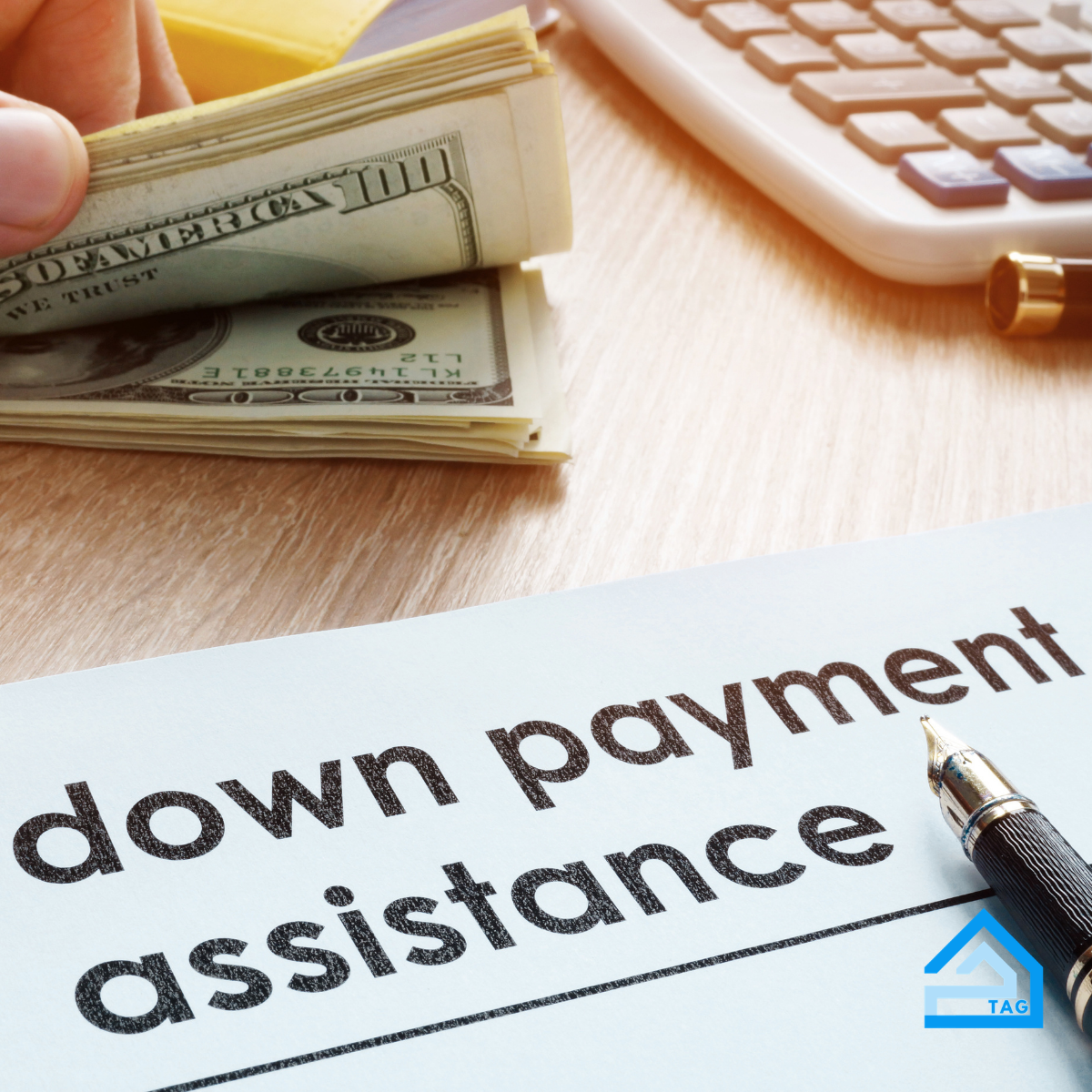
A down payment on a home can range anywhere from $20,000 to $60,000, depending on the buyer and loan requirements.
And let’s be honest: in this economy, that kind of money can feel almost impossible to save.
As a result, many buyers focus on “getting a deal” rather than making a smart investment.
We recently sat down with Ricky Chavez, a mortgage broker with Refine in Charlotte, NC, to discuss the effects he sees on his end from these decisions.
Hopefully, this sage advice can serve as the “check engine light” before getting to the closing table.
Let’s get into it.
Chasing "Deals" Can Cost You More Than You Think
One avenue homebuyers often pursue when “looking for a good deal” is down payment assistance. These programs can be helpful in certain situations, but they aren’t always what they seem.
Many come with higher interest rates, additional fees, and long-term restrictions that aren’t always obvious upfront.
In many cases, this assistance isn’t free money; it’s borrowed. As Ricky put it:
“Programs like the NC 1st Home Advantage Down Payment Program may look like free money, but that $15,000 is borrowed… and you could be tied to the home for 15 years before it’s forgiven.”
The takeaway? If it sounds too good to be true, it usually is. Before moving forward, it’s important to understand exactly what you’re signing up for.
Before deciding, use this quick guide to see if down payment assistance makes sense for your situation:
Down Payment Assistance Decision Guide
1. Do you have enough saved for a 3–5% down payment?
- Yes → Skip assistance and move forward normally
- More flexibility
- No second lien
- Cleaner financial position
- No → Continue
2.Are you comfortable taking on additional debt (not free money)?
- No → This program may not be the right fit
- The $15,000 is borrowed money, not a grant
- It creates a second mortgage (aka a second lien on the home)
- Yes → Continue
3.Are you confident you’ll stay in the home for up to 15 years?
- No → High Risk
- You may have to repay the assistance
- It could limit your ability to sell
- Yes → Continue
4.Does the home appraise with room to spare?
- No → Major Red Flag
- You could start with negative equity
- You may owe more than the home is worth
- Yes → Continue
5.Do you have extra cash for repairs, emergencies, or job changes?
- No → High Risk
- Homeownership comes with unexpected costs
- Lack of liquidity can create financial strain
- Yes → Continue
Programs like this can work. But only if they truly fit your financial situation. The goal isn’t just to “make the deal work.” It’s to make sure the decision works for you in the long term.
The Hidden Cost of Making the Wrong Deal
At first, these programs can feel like the thing finally getting you into a home. But when buyers are already financially stretched, even small issues can turn into major problems later. And unfortunately, we’ve seen that happen more than once.
This is one example Ricky shared with us:
A buyer moved forward with a down payment assistance program, despite the concerns Ricky relayed about its long-term impact. The family was already tight on cash and ended up purchasing an older home built in the 1940s, with a higher risk of repairs.
There was another option on the table that Ricky advised pursuing: a newer home with lower risk and even covered closing costs. But like many buyers chasing what looked like the better “deal,” they chose the assistance program instead.
About a year later, they came back looking for a HELOC (Home Equity Line of Credit).
The problem? They couldn’t qualify.
The home needed $40,000–$50,000 in foundation repairs, and on top of that, they were already in negative equity.
At that point, they were stuck. They owed more than the home was worth, needed major repairs, and didn’t have a clear financial path forward.
Stories like this highlight an important reality of homeownership: getting into the house is only part of the equation. Staying financially comfortable after closing matters just as much.
TAG Tip: Before committing to a home (especially one with higher-risk factors like age, condition, or limited equity), a pre-purchase appraisal can help you validate the value, understand the risks, and avoid stepping into a situation where the numbers no longer work in your favor.
The Smarter Way to Think About Your Down Payment
One of the biggest misconceptions buyers have is believing they need to put as much money down as possible to be in a “better” financial position.
But in reality, draining your savings just to slightly lower your monthly payment can sometimes create more financial stress later.
A lot of buyers become so focused on lowering the mortgage payment that they forget homeownership comes with other expenses too: repairs, emergencies, job changes, moving costs, and everyday life.
As Ricky explains:
“A simple way I explain it is this: Every $100,000 in loan amount is roughly about $800 a month on a mortgage when you include taxes and insurance. So if you break that down, every $25,000 is about $200 a month.
For a lot of people, $25,000 or $50,000 is a lot of money to put down upfront, and when you realize it’s only changing your payment by a couple of hundred dollars, it doesn’t always make sense to lock that money into the house.
I’d rather people keep that cash for reserves, repairs, or flexibility in their life, because that liquidity can end up being more valuable than slightly lowering the monthly payment.”
For many buyers, that perspective changes everything.
Putting an extra $25,000–$50,000 into the home upfront may only lower the monthly payment by a couple of hundred dollars.
Meanwhile, keeping that money accessible can provide a much stronger financial safety net after closing.
That liquidity matters more than most people realize.
Because at the end of the day, buying a home isn’t just about qualifying for the mortgage. It’s about being financially prepared for everything that comes after it, too.
And that starts with understanding the full financial picture. Not just what gets you to the closing table.
Thanks for reading!
Connect with Rachel Mann on LinkedIn:
Thanks for reading! We love sharing insights from the TAG team, and we’re always looking to connect with others who are passionate about real estate, marketing, and community.
Have thoughts to share or want to collaborate on a future post? Let’s talk!