Deals can grow tense when an appraisal comes in unexpectedly. From the homebuyer’s perspective, it often feels like the numbers are final. And with everything Realtors are responsible for today, understanding how to challenge an appraisal on a client’s behalf can sometimes be overlooked.
Since 2009, communication between appraisers and Realtors has been limited. But when that communication is encouraged, better outcomes are possible.
I recently sat down with local real estate industry leader April Stephens to talk about her approach to Realtor education and why strong communication with real estate partners, especially appraisers, is more important than ever.
Let’s break it down.
The Disconnect Between Realtors and Appraisers
The disconnect between Realtors and appraisers was significantly impacted by the Home Valuation Code of Conduct in 2009. While there are valid reasons for these guidelines, it’s important to recognize how both sides can benefit from open, non-biased communication.
“Realtors and appraisers are working toward the same goal: accurate value. But too often, they’re not working together to get there.”
From Stephens’ experience, communication gaps typically happen when:
- There’s time pressure
- There’s a misunderstanding of roles
- There’s a lingering “stay in your lane” mindset from past industry norms

And this gap can impact more than just timelines:
“A lack of communication doesn’t just create confusion. It can impact real dollars in a transaction.”
When communication is present, it leads to smoother transactions, clearer expectations, and stronger trust across all parties involved.
TAG Tip: April is actively working to change this narrative through her Industry Training segment of The Real School. She and her team provide hands-on training for both new and seasoned Realtors alongside local industry partners, including appraisers. In fact, we hosted a webinar for The Real School last year titled “Appraisal Decoded: What Every Realtor Should Know.”
The Importance of Communication in Unique or Changing Markets
Some may argue that when comps are clear and readily available, communication isn’t necessary, and that’s fair. But as April points out, not every property fits neatly into a box.
“Not every property fits neatly into a box…and those are the ones where communication matters most.”
Additional factors like zoning, location convenience, and proximity can all influence value in ways that raw data alone may not capture.
“Context matters just as much as data. Especially when a property doesn’t fit the mold.”
What Stephens is emphasizing here is two-fold:
- If a property is unique, and context plays a major role in determining value, that information needs to be communicated, especially during a pre-listing appraisal.
- Partnering with local, trusted real estate professionals who understand that context is essential.
The main takeaway:
“The more unique the property, the more important it is to connect the dots, not just compare the numbers.”
TAG Tip: Triangle Appraisal Group is proud to be the preferred appraisal vendor for select branches of Allen Tate Howard Hanna and Keller Williams. If you’d like to schedule a Lunch and Learn for your team, contact us to get started.
What Realtors Can Do to Support the Appraisal Process
If we take appraiser–Realtor communication a step further, there’s an opportunity for Realtors to actively support both their clients and the appraiser throughout the process. April Stephens laid out a few key principles:
1. “Understanding an appraisal isn’t just helpful. It’s part of advocating for your client.”
Your client will look to you for guidance and next steps, so building trust starts with having a strong understanding of the appraisal process and report.
2.“If something doesn’t look right, it’s worth asking questions. But it starts with understanding the report.”
Once that foundation is there, there are clear steps to address anything that may seem off. Challenging an appraisal becomes more approachable (and more effective) when necessary. And as April also emphasized:
3. “The best agents don’t react to appraisals, they prepare for them.”
“A well-supported value doesn’t happen by accident. It comes from preparation, not just negotiation”, says Stephens.
Realtors can support the appraisal process by:
- Providing relevant context about the property
- Sharing additional data or comps when appropriate
- Communicating with the appraiser when clarification is needed
At the end of the day, that collaboration helps create a smoother transaction for everyone involved.
TAG Tip: Our conversation also dove into why home values can vary so much in Johnston County. We wrote a separate blog you can check out here: “Why Your Johnston County Home Might Be Worth More (or Less) Than You Think.”
Rebuilding the Appraiser- Realtor Relationship
The relationship between appraisers and Realtors has shifted over the past two decades as new regulations have shaped the industry. But what this conversation with April Stephens made clear is that communication isn’t just helpful, it’s necessary.
When Realtors and appraisers work together, the result is stronger valuations, smoother transactions, and better outcomes for clients. It’s time to continue rewriting the narrative and encouraging collaboration across the industry.
TAG us in!
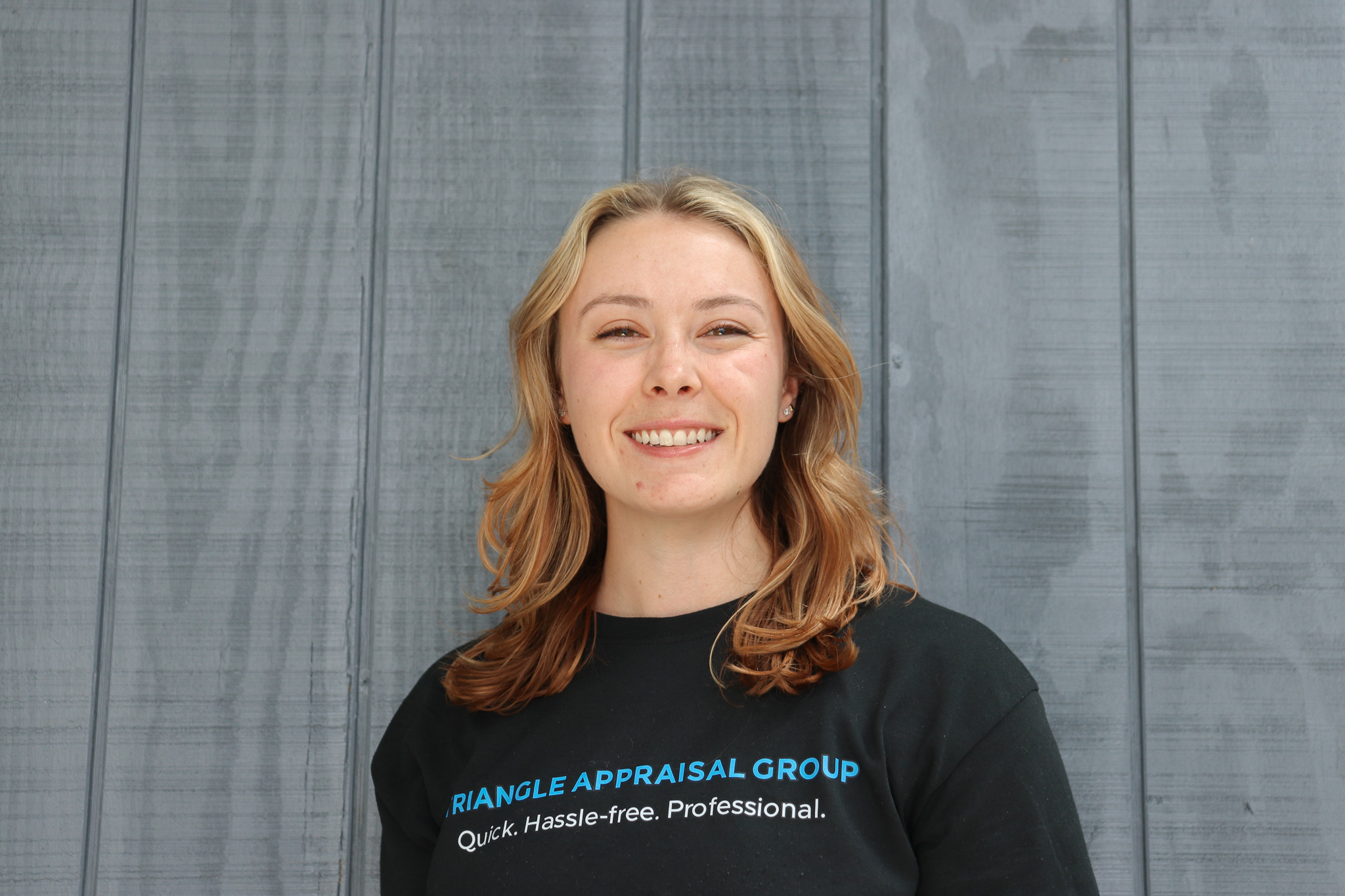
Connect with Rachel Mann on LinkedIn:
Thanks for reading! We love sharing insights from the TAG team, and we’re always looking to connect with others who are passionate about real estate, marketing, and community.
Have thoughts to share or want to collaborate on a future post? Let’s talk!