
You’ve got a build underway, a closing on the calendar, and a lot riding on the appraisal coming back where it needs to be. When a new construction appraisal comes in low or takes too long, it can stall the closing and tie up your capital right when you need it moving.
The good news is that most of what causes a rough appraisal is preventable once you understand how the process works.
At TAG, we appraise new builds across the Charlotte area every week, so we want to walk you through how new construction appraisals actually work here in Mecklenburg County and what you can do to keep yours on track.
What Makes a New Construction Appraisal Different
A standard appraisal looks at a finished home that’s standing in front of the appraiser. A new construction appraisal often doesn’t have that luxury. Depending on where you are in the build, there may be nothing to walk through yet — just plans and a lot.
When the appraisal happens at the plans-and-specs stage, we value the home “subject to completion.” That means we’re appraising what the finished home will be worth based on your plans, specifications, and finish schedule, as if it were already built to those standards.
The other challenge is comparable sales. Brand-new homes can be harder to find good comps for, especially in a submarket that’s moving fast or still filling in. That’s where local expertise earns its keep: knowing which recent sales truly compare takes on-the-ground Charlotte knowledge, not just a database pull.
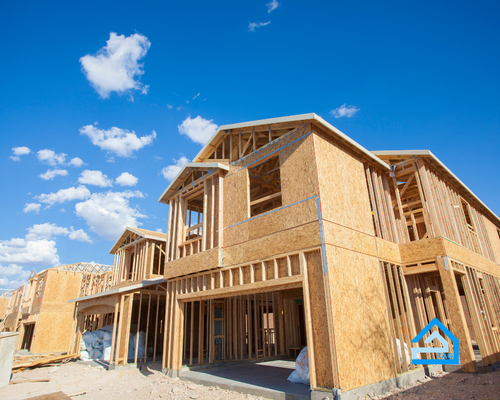
TAG Tip: New construction isn’t just empty lots. Investors often buy in a prime Charlotte neighborhood, tear down to the studs, and rebuild for strong ROI. These deals need two numbers — an as-is value now and an after-repair value (ARV) for the finished build. See our as-is and ARV appraisal services.
When in the Build Do You Need an Appraisal?
There are usually two points where an appraisal comes into play, and they serve different purposes:
Pre-construction (plans-and-specs) — ordered for a construction loan or a construction-to-permanent loan. The lender needs to know what the finished home will be worth before releasing funds.
Final (as-completed) — done at or near the certificate of occupancy, confirming the finished home matches the plans it was valued on.
Knowing which one your lender needs, and when, helps you line up the appraisal so it never becomes the thing holding up your draw or your closing.
TAG Tip:Build timelines shift, and appraisals don’t stay current forever — if your closing gets pushed, your lender may need an updated value. More here: How Long Is an Appraisal Good For?
What Appraisers Actually Look At on a New Build
On a new construction appraisal, we typically lean on two approaches:
The cost approach — in plain terms, land value plus the cost to build, minus any depreciation. This matters most when there aren’t many comparable sales to lean on.
The sales-comparison approach — recent new-construction sales in the same submarket, adjusted for differences.
Beyond the math, a few things carry real weight: the site value and any lot premium, the stage of development in the neighborhood, and the quality and finish level of the build. A home in a subdivision that’s still filling in gets looked at differently than one in a finished, established neighborhood. Upgrades matter too — but only when they’re documented in a way we can actually credit. More on that below.
One thing to keep in mind: upgrades aren’t dollar-for-dollar. As as we like to put it:
“Just because someone upgrades one certain thing and it was a $10,000 upgrade doesn’t necessarily mean the home is worth 10,000 more.” – Nathan Jordan, TAG COO
What counts is how those upgrades stack up against the rest of the market. And that’s a big part of what sets a new-construction appraisal apart from an appraisal on an existing home.
New Construction vs. Existing-Home Appraisals in Charlotte: A Quick Comparison
Factor
Existing-home appraisal
New construction appraisal
What’s inspected
Finished, standing home
Plans & specs, or an as-completed build
Effective date
As of the inspection
Often “subject to completion”
Primary method
Sales comparison
Cost approach + sales comparison
Comp challenge
Plenty of resale comps
Few new-build comps – local data is critical
TAG Tip: In an established neighborhood, a new build or its upgrades can be an over-improvement for the area, and occasionally the market value comes in below the total amount invested. This shows up more with custom or spec builds than track builds.
Why New Construction Appraisals Come In Low — and How to Avoid It
When a new build appraises under contract or cost, it’s usually one of a few things:
- Weak or missing comps, often in a fast-moving submarket where sales haven’t caught up to current pricing.
- Upgrades that weren’t documented, so they couldn’t be credited toward value.
- Incomplete plans or specs handed to the appraiser, leaving gaps we have to fill conservatively.
The fix for all three is the same, and it’s in your control: provide the appraiser documentation up front. The more clearly your build is spelled out, the more accurately it can be valued and the fewer conservative assumptions we have to make to fill in gaps. And if a low number does come up, here’s what happens when an appraisal comes in lower than the offer.
Here’s what you can have ready:
- Full plans and specifications
- An itemized cost breakdown and finish schedule
- A list of upgrades and any lot premium
- Recent comparable sales you're aware of
- Survey or plat, plus any HOA details
Why Mecklenburg Builders Work With the TAG Team
New construction appraisals reward speed and local knowledge, and that’s exactly where we focus:
- A 3–5 day turnaround after inspection, so the appraisal keeps your closing on schedule instead of holding it up.
- Deep local comp knowledge across Charlotte’s submarkets, which is critical when new-build comps are thin.
- A cloud-based team, so our field appraisers and valuation team work in parallel rather than in a line.
- A residential-only focus since 2008 — this is all we do, and we’ve done it through every kind of market.
FAQ's
How does a new construction appraisal work?
For a new build, the appraiser often values the home “subject to completion” based on your plans, specifications, and finish schedule rather than a finished house. They typically use both the cost approach (land plus cost to build) and recent comparable sales in the submarket. A final appraisal is then done once the home is complete.
Why do new construction appraisals come in low?
Usually it’s weak or missing comparable sales in a fast-moving market, upgrades that weren’t documented, or incomplete plans handed to the appraiser. The best way to avoid it is to give the appraiser complete, organized documentation up front so nothing has to be estimated conservatively.
When do I need an appraisal during construction?
There are usually two points: a pre-construction (plans-and-specs) appraisal for a construction or construction-to-permanent loan, and a final (as-completed) appraisal at or near the certificate of occupancy. Your lender will tell you which one they need and when.
What is a "subject to completion" appraisal?
It’s an appraisal of what your finished home will be worth, based on the plans and specs, before the home is actually built. Lenders use it on construction loans to know the future value before releasing funds.
How long does a new construction appraisal take in Mecklenburg County?
Turnaround varies by appraiser, but the TAG team delivers most reports within 3–5 days of inspection. That speed helps keep your closing on schedule instead of waiting on the valuation.

Connect with Rachel Mann on LinkedIn:
Thanks for reading! We love sharing insights from the TAG team, and we’re always looking to connect with others who are passionate about real estate, marketing, and community.
Have thoughts to share or want to collaborate on a future post? Let’s talk!
Let's Keep Your Next Closing on Track
Building in Mecklenburg County? Let’s set up a builder appraisal partnership so your valuations come back fast, accurate, and closing-ready. Reach out to the TAG team.